
Sleep Study In Pretoria
Your Night Can Reveal More Than You Think
You can spend eight hours in bed and still wake up feeling like sleep never really happened. When rest stops feeling restorative, a sleep study can help bring some clarity to what your body is doing overnight.
What Is A Sleep Study?
A sleep study is a non-invasive test that monitors different body functions while you sleep. It helps us understand how your body behaves overnight and provides valuable information for diagnosing sleep-related breathing, movement and other sleep conditions.
Different types of sleep studies are used for different concerns. A polysomnogram is the most comprehensive overnight study. Other tests may include a home sleep apnea test, a CPAP titration study or a Multiple Sleep Latency Test, depending on what needs to be investigated.
What Does A Sleep Study Measure?
While you sleep, your body is constantly changing. A sleep study records these changes throughout the night, creating a detailed picture of your sleep patterns and how different systems in your body are functioning during rest.
Brain Activity
Small sensors placed on the scalp record the electrical activity of your brain throughout the night. This allows the study to identify when you fall asleep, how long it takes, the different stages of sleep you move through and how often your sleep is interrupted. Changes in normal sleep architecture can help show how fragmented or restorative your sleep may be.
Breathing
The study monitors airflow through your nose and mouth as well as the effort your chest and abdomen make to breathe. This helps identify periods when breathing becomes reduced, restricted or stops altogether. The pattern of these events can provide important information when investigating conditions such as obstructive or central sleep apnea.

Blood Oxygen Levels
A sensor placed on your finger continuously measures oxygen saturation in your blood. Breathing disturbances during sleep can cause oxygen levels to fall, sometimes repeatedly throughout the night. Recording the timing, frequency and extent of these drops helps show how significantly abnormal breathing may be affecting your body while you sleep.

Heart Activity
Electrodes record your heart rate and rhythm throughout the study. This allows your clinical team to see how your heart responds during different stages of sleep and during events such as breathing interruptions or drops in oxygen. It can also highlight changes in heart rhythm that occur specifically during sleep.
Eye Movements
Sensors positioned close to the eyes record the characteristic movements that occur as you pass through different stages of sleep. Eye movement is particularly important for identifying REM sleep, the stage associated with vivid dreaming. Combined with brain activity, these readings help build a detailed picture of your sleep cycles and show when normal sleep patterns are being interrupted.

Leg Movements
Sensors record muscle activity around areas such as the chin and legs throughout the night. They can detect repeated leg movements, unusual muscle activity or movements associated with awakenings. This information may help investigate periodic limb movement disorder, certain parasomnias and other sleep-related movement concerns.
When Should You Consider A Sleep Study?
Sleep problems are not always obvious, and some only become apparent when they begin affecting how you feel during the day. A sleep study may be recommended when your symptoms suggest that something is disrupting your sleep or when your doctor needs a clearer picture of what is happening overnight.
Loud Or Persistent Snoring
Regular, heavy snoring can sometimes be linked to narrowing of the airway during sleep. If it is accompanied by pauses in breathing, choking or gasping, further investigation may be needed.
Waking Up Unrefreshed
If you regularly get enough hours of sleep but still wake feeling exhausted, your sleep may be repeatedly interrupted without you being aware of it.
Excessive Daytime Sleepiness
Feeling unusually sleepy during the day, struggling to stay awake or needing frequent naps can indicate that your sleep quality is poor or that your normal sleep cycles are being disrupted.
Breathing Changes During Sleep
A partner may notice pauses in breathing, shallow breathing, gasping or choking while you sleep. These can be important signs of a sleep-related breathing disorder.
Frequent Night-Time Awakenings
Repeatedly waking during the night can prevent your body from spending enough uninterrupted time in restorative stages of sleep, even if you fall back asleep quickly.
Unusual Movements Or Behaviours During Sleep
Repeated leg movements, sudden jerking, acting out dreams or other unusual activity during sleep may need further assessment to understand what is causing them.
Ongoing Sleep Problems Without A Clear Cause
If sleep difficulties continue despite changes to your routine or treatment, a sleep study can provide objective information that may help explain what is happening.
Your Doctor Suspects A Sleep Disorder
A sleep study may also be recommended when your doctor suspects sleep apnea, a sleep-related movement disorder, certain parasomnias or another condition that needs overnight monitoring to investigate properly.
What Happens During An Overnight Sleep Study
An overnight sleep study takes place in a dedicated sleep room where you can settle in for the night while your sleep is monitored. The aim is to record what your body is doing naturally during sleep, while keeping the process as comfortable and unobtrusive as possible.
Before The Study
When you arrive at the clinic, the team will explain how the study works and prepare you for the overnight recording. Small sensors are placed on areas such as your scalp, face, chest and legs, while additional equipment is used to monitor breathing, oxygen levels and heart activity.
The setup is non-invasive and designed to interfere as little as possible with your normal sleep. Once everything is connected and checked, you can settle into the room and prepare for bed.
During The Study
While you sleep, the equipment records multiple body functions at the same time. This includes brain activity, breathing patterns, airflow, oxygen levels, heart activity, eye movements and muscle activity.
These measurements are recorded together so the clinical team can see how your sleep changes throughout the night and how different events relate to one another. For example, a breathing disturbance can be compared with changes in oxygen levels, heart rate or interruptions in sleep.

After The Study
In the morning, the monitoring equipment is removed and the recorded data is prepared for analysis. The overnight study is then reviewed in detail, including your sleep stages, breathing patterns, oxygen levels, movements and any events that interrupted your sleep.
The findings are considered alongside your symptoms and medical history to help your doctor understand what may be affecting your sleep and determine the most appropriate next step.
Not Sure If You Need A Sleep Study?
If your sleep does not feel right and you are unsure what kind of testing may be appropriate, speak to our team at Sleep Clinic Pretoria about your concerns and the next step.
What Disorders Can A Sleep Study Diagnose?
Sleep disorders can affect breathing, movement, behaviour and the way your brain progresses through different stages of sleep. A sleep study records these changes overnight, giving your doctor objective information that can help identify or investigate a range of sleep-related conditions.

Sleep Apnea
Sleep apnea causes repeated pauses or reductions in breathing during sleep, which can fragment sleep and lower oxygen levels. A sleep study records breathing, airflow and oxygen changes to help identify the type and severity of apnea.
Insomnia
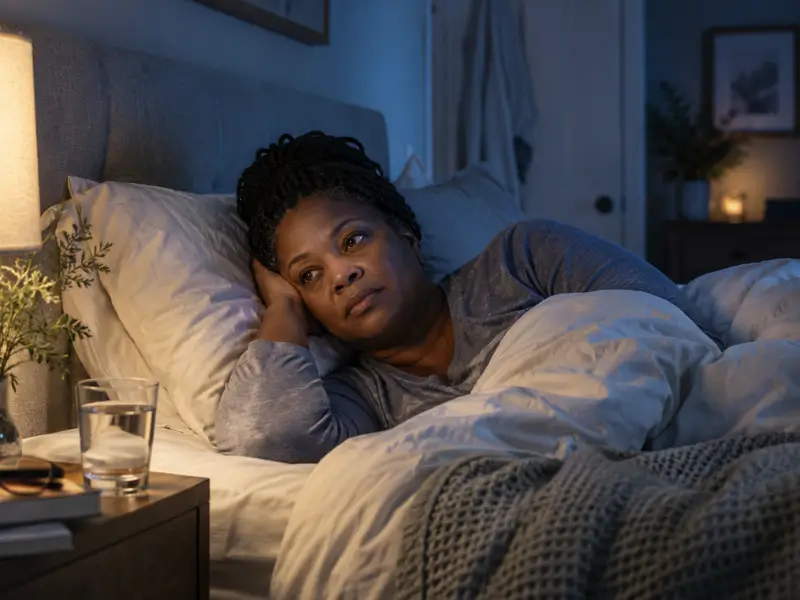
Insomnia involves persistent difficulty falling asleep, staying asleep or getting restorative sleep. A sleep study may be used in more complex cases to assess sleep patterns and identify another sleep disorder that could be contributing to ongoing symptoms.

Narcolepsy
Narcolepsy is a neurological sleep disorder that can cause excessive daytime sleepiness and sudden episodes of sleep. Diagnosis usually involves an overnight sleep study followed by a Multiple Sleep Latency Test to assess sleep patterns and REM onset.
Restless Legs & Periodic Limb Movements
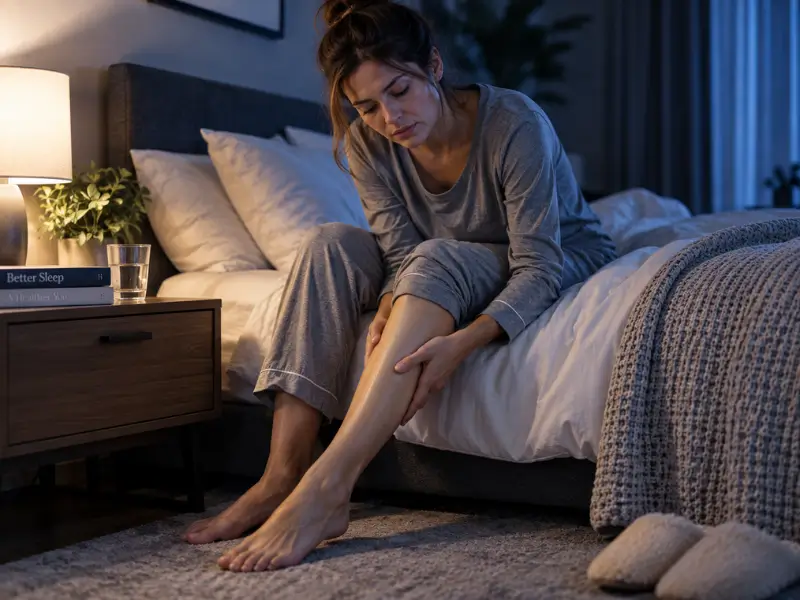
Restless legs syndrome causes an uncomfortable urge to move the legs, usually while resting. A sleep study can also detect periodic limb movements during sleep and show how often these movements interrupt normal sleep.
Sleepwalking & Sleep Behaviour Disorders
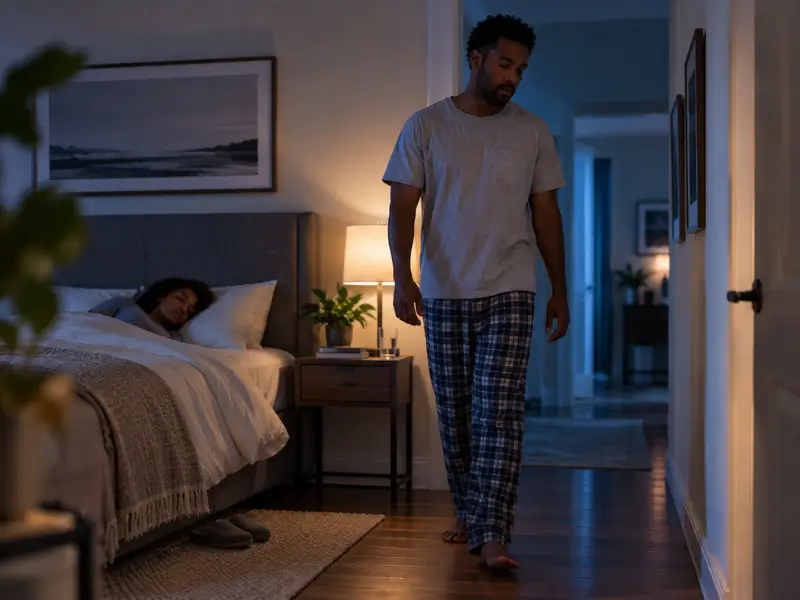
These disorders involve unusual actions during sleep, such as walking, talking or acting out dreams. Overnight monitoring can record movement alongside brain activity to help identify certain parasomnias and sleep behaviour disorders.

Night Terrors
Night terrors are episodes of sudden fear, agitation or distress that occur during sleep, often without full awareness. A sleep study may help investigate frequent or unusual episodes and distinguish them from other night-time events.
Learn More →
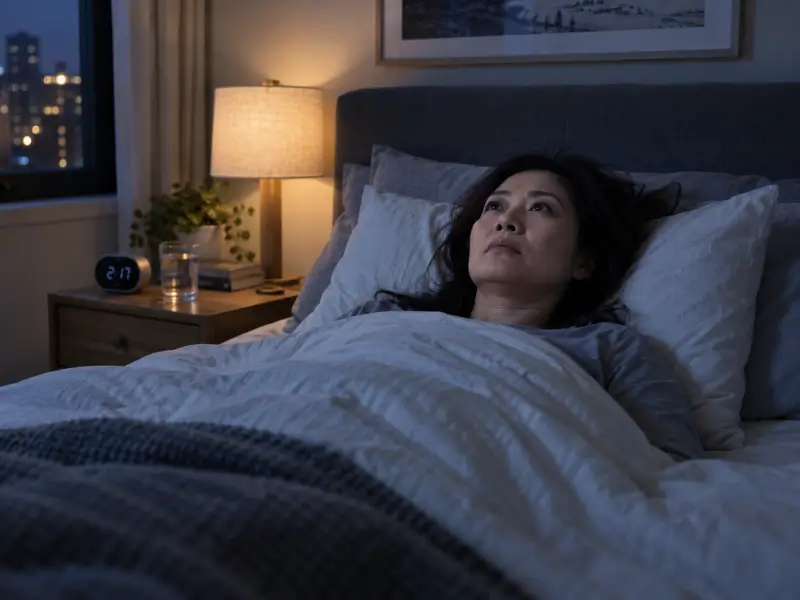
Sleep Paralysis
Sleep paralysis causes a temporary inability to move or speak while falling asleep or waking up. Sleep testing may be useful when episodes are frequent or occur alongside symptoms of another condition such as narcolepsy.
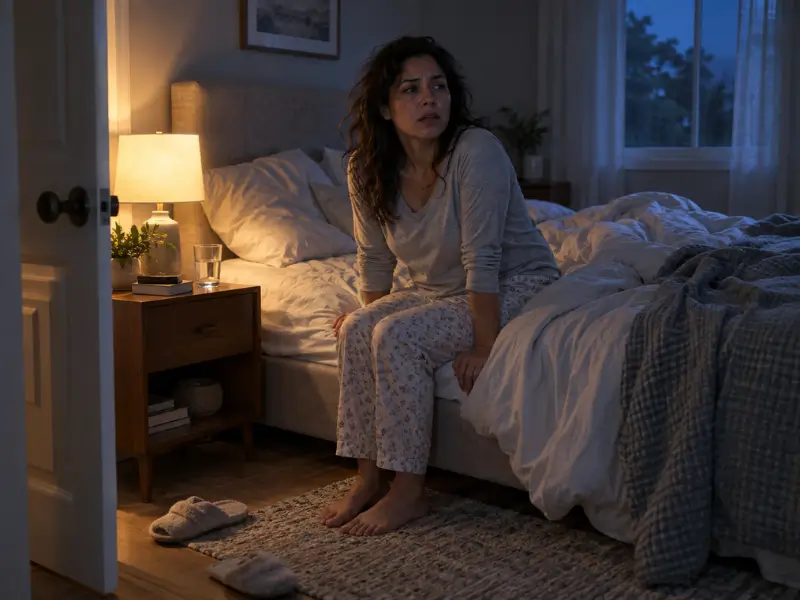
Parasomnias & Disruptive Sleep Disorders
Parasomnias are unusual behaviours, movements or experiences that occur during sleep or transitions between sleep and waking. A sleep study can help document these events and support a clearer diagnosis when symptoms overlap.
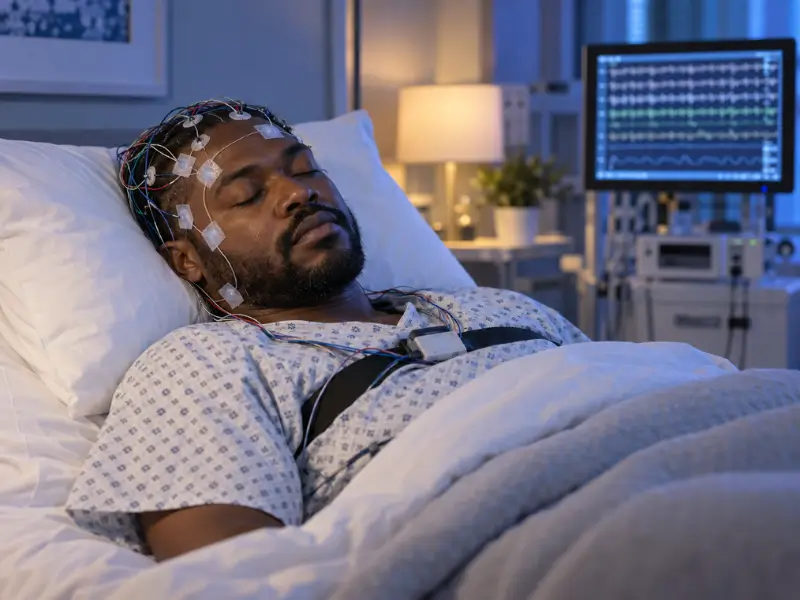
Seizures & Epilepsy
Some seizures occur mainly during sleep and can resemble other night-time behaviours or movement disorders. Recording brain activity and sleep patterns may help investigate suspicious events and determine if further neurological assessment is needed.
Learn More →
Your Overnight Sleep Study At Sleep Clinic Pretoria
A sleep study is clinical, but the experience does not need to feel cold or intimidating. At Sleep Clinic Pretoria, your overnight study takes place in a dedicated environment designed to help you settle in, sleep as naturally as possible and feel supported throughout the process.

Private Overnight Rooms
Your sleep study takes place in a dedicated room designed to help you settle in and sleep as naturally as possible while your overnight monitoring is carried out.

Experienced Sleep Study Team
Our team prepares the equipment, checks the recording and is available during your stay if you need assistance or have questions about the process.
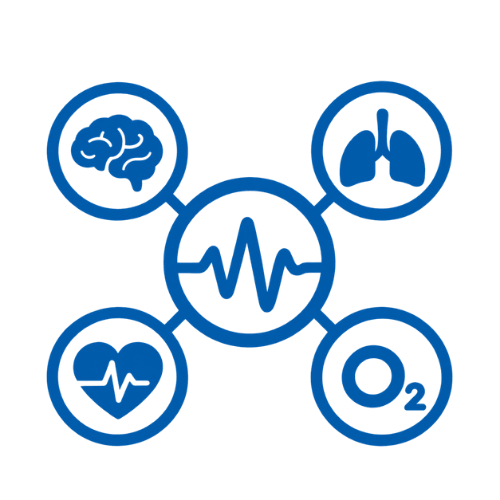
Comprehensive Monitoring
Multiple signals are recorded together throughout the night, including brain activity, breathing, oxygen levels, heart activity, eye movements and muscle activity.

Detailed Results Review
After your study, the overnight data is reviewed carefully to identify patterns and events that may help explain what is affecting your sleep.
Ready To Understand Your Sleep Better?
If poor sleep has been affecting your nights or your days, a sleep study can help give you clearer answers and a better idea of what to do next.
Frequently Asked Questions
How do I know if I need a sleep study?
A sleep study may be recommended if your sleep problems are persistent, unexplained or beginning to affect how you function during the day. Common reasons include ongoing snoring, witnessed pauses in breathing, excessive daytime sleepiness, unusual movements during sleep, frequent awakenings or symptoms that suggest a sleep disorder.
Your symptoms and medical history are usually considered first. From there, your doctor or our team can help determine if overnight monitoring would provide useful information.
Do I need a referral for a sleep study?
Many patients are referred to us by a GP, pulmonologist, ENT specialist or another healthcare provider. A referral can be useful because it gives us relevant medical history and allows the referring doctor to remain involved once the results are available.
If you are unsure if you need a referral in your situation, contact Sleep Clinic Pretoria before booking and our team can advise you on the appropriate next step.
How accurate are sleep studies?
An overnight polysomnogram records several body functions at the same time, including brain activity, breathing, oxygen levels, heart activity, eye movements and muscle activity. Looking at these measurements together gives us a detailed picture of what is happening during sleep.
The quality of the result depends on factors such as the type of study, the amount of usable sleep recorded and the condition being investigated. For many sleep disorders, particularly sleep-related breathing disorders, an attended overnight study provides highly detailed diagnostic information.
Why does a sleep study measure so many things?
Sleep disorders do not affect one part of the body in isolation. A breathing interruption, for example, may happen at the same time as a drop in oxygen, a change in heart rate and a brief awakening.
By recording several signals together, we can see how these events relate to one another and build a clearer picture of your sleep. This is one of the main advantages of a full overnight polysomnogram.
How should I prepare for an overnight sleep study?
Try to follow your usual routine during the day and avoid anything that may significantly alter your normal sleep. You may be advised to avoid caffeine and alcohol later in the day and to avoid an afternoon nap.
It is also helpful to arrive with clean, dry hair and skin and avoid hair products, lotions or creams that could interfere with the sensors. Bring comfortable sleepwear, toiletries and anything else you normally use at bedtime.
Can I take my usual medication before a sleep study?
Do not stop or change prescribed medication on your own before a sleep study. Some medications can affect sleep patterns and may influence the results, while stopping others suddenly may be inappropriate.
Ask your referring doctor or our team what you should do with your regular medication before the study. If you need medication during the night, bring it with you as instructed.
What should I bring to an overnight sleep study?
Pack as you would for a simple overnight stay. Bring comfortable sleepwear, toiletries and any medication you may need during the night.
You are also welcome to bring familiar items that may help you settle in, such as your own pillow. Our aim is to help you sleep as naturally as possible while the study is being recorded.
How long does a sleep study take?
An attended sleep study usually takes place overnight. You arrive in the evening, the monitoring equipment is set up before bedtime, and the recording continues while you sleep.
The sensors are removed the following morning and you can usually leave shortly afterwards. The exact arrival and departure times may vary according to your scheduled study.
Is a sleep study painful or uncomfortable?
A sleep study is non-invasive and should not be painful. The sensors are attached to the surface of your skin and do not involve needles or break the skin.
The equipment can feel unfamiliar at first, particularly the sensors and wires, but most patients adjust once they settle into bed. Mild skin irritation from the adhesive is possible in some people.
Does someone watch me during a sleep study?
Your study is monitored by trained sleep staff from a separate monitoring area. Many sleep laboratories also use low-light video and audio so the team can compare physical movements or behaviours with the signals being recorded.
The purpose is clinical monitoring and making sure the study is recording correctly. Staff are also available if you need assistance during the night.
Can I sleep in my normal position during the test?
Yes. You should generally sleep in the position that feels natural to you. The wires and sensors are arranged to allow you to turn over and change position during the night.
Your sleeping position can itself provide useful information, particularly with conditions such as obstructive sleep apnea, where breathing disturbances may change depending on body position.
Can I get up to use the bathroom during a sleep study?
Yes. If you need to use the bathroom during the night, let the sleep technologist know. Depending on the equipment being used, some of the wires may need to be temporarily disconnected before you get up.
Once you return to bed, the monitoring can continue. Needing to use the bathroom does not mean the study has failed.
What if I can’t sleep during a sleep study?
This is one of the most common concerns before an overnight study. Sleeping in a different room while wearing sensors can feel unusual, and you may take longer than normal to fall asleep.
You do not generally need to sleep perfectly or for a full eight hours for the study to provide useful information. Even a shorter period of recorded sleep may give the clinical team enough data to assess important sleep patterns and events.
Do I need to sleep all night for the test to work?
No. A complete night of uninterrupted sleep is not normally required.
What matters is collecting enough usable sleep data to assess the areas being investigated. Your clinical team reviews the amount and quality of recorded information before deciding if the study is sufficient or if further testing may be needed.
What happens if I wake up during a sleep study?
Waking during the night is completely normal and is actually part of what a sleep study records. The equipment continues monitoring your brain activity and other signals as you move between sleep and wakefulness.
If you wake briefly and fall asleep again, the study simply continues. Frequent awakenings can also provide useful information if disrupted sleep is part of the problem being investigated.
What is the difference between an overnight sleep study and a home sleep apnea test?
A home sleep apnea test uses portable equipment to monitor a smaller number of signals, mainly those related to breathing, heart rate and oxygen levels. It is primarily used when obstructive sleep apnea is suspected.
A full overnight polysomnogram records considerably more information, including brain waves, sleep stages, eye movements and muscle activity. This makes it useful when the clinical picture is more complex or another type of sleep disorder may be involved.
Can a sleep study detect sleep apnea if I do not snore?
Yes. Snoring is common in obstructive sleep apnea, but it is not required for the condition to be present.
A sleep study looks directly at airflow, breathing effort, oxygen levels and interruptions in sleep. This means apnea and hypopnea events can still be identified even if loud snoring is not one of your symptoms.
What happens if my sleep study finds a sleep disorder?
Once the study has been analysed, the findings are considered alongside your symptoms and medical history. If a sleep disorder is identified, the next step depends on the condition and its severity.
Treatment may include approaches such as CPAP therapy for sleep apnea, medication for selected conditions, further testing or other changes recommended by your treating doctor. You will receive a report and guidance on any further action that may be required.
Who performs a sleep study?
A trained sleep technologist or appropriately trained clinical professional prepares the monitoring equipment and oversees the recording during the night.
At Sleep Clinic Pretoria, sleep disorders are assessed by our neurophysiology team using overnight sleep studies and other diagnostic testing. The recorded data is then reviewed so the findings can be interpreted and reported.
Does Sleep Clinic Pretoria offer different types of sleep studies?
We offer overnight polysomnogram testing and has access to additional diagnostic procedures when further investigation is needed. These include routine and long-term EEG recordings, electromyography and nerve conduction testing.
Different tests may be used depending on the symptoms being investigated, particularly when excessive daytime sleepiness, unusual movements or neurological events are involved.
Who reviews my sleep study results at Sleep Clinic Pretoria?
The information collected during the study is analysed after your overnight recording. This includes looking at areas such as sleep stages, breathing events, oxygen levels, movement and other recorded signals.
Sleep Clinic Pretoria works within Vermaak and Steenkamp Inc. and provides sleep assessment through its neurophysiology team. A full report is produced from the study and the findings are used to guide any further investigation or treatment that may be required.